
Show Your Support
The goal of each project at HerbSpeak is to create a place where nature knowledge can thrive. Without paywalls, without academic barriers. Preserving and spreading generational knowledge about the conservation of the natural world is our only hope of connecting with a planet in need of care.
If you would like to support these goals and the overall mission of this website, consider supporting in the ways described below.
Supporting in these suggested ways is not the only way to support the endeavor. Did you know that you can also volunteer? Volunteering is done fully remote, and positions require a range of expertise.
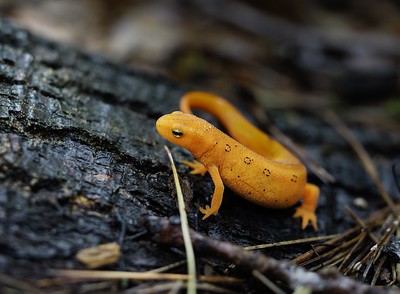
Image: D.K. Berard – Red Eft (Notophthalmus viridescens) in MA, 2023
One-Time and Monthly Tips
Currently, all tips are handled through Ko-Fi (pronounced like coffee). Ko-Fi is a similar platform to patreon and others where creators can accept tips and monthly subscriptions. You can pay via PayPal, venmo or credit/debit card.
If every person who visited this website donated $5/mo – the cost of a single cup of coffee – we would have enough money to pay a full-time conservation employee dedicated to curating quality resources and making paywall-free content available to the public.
Can’t view the form above? Try this link https://ko-fi.com/berard
Tips are considered voluntary, freely-given, no products or services are made in return over Ko-Fi for the tip, and no refunds are issued.
If you have any issues with your payment, email HerbSpeak!
Whether you make a one-time or a monthly recurring donation, you are directly supporting the continuation of this website and its resources, offering everything without paywalls. The more donations we earn, the more time we can dedicate to curating information, and the more expert knowledge we can incorporate.
No Ko-Fi account? No problem. Ko-Fi will email you a guest link after you make a tip with the above form; check your email and sign up within 72 hours to manage your subscription in the future. Emails from Ko-Fi may go to spam or promotions.
To cancel a monthly subscription, you can cancel thru the Ko-Fi account created at time of payment, or through PayPal if you selected paypal. For more help, see Ko-Fi’s support article (link goes to external site.)
Other Ways to Support
Can’t support monetarily, and don’t think volunteering is a good fit for you?
You can also support by sharing your favorite resources, guides, and articles with people, and bringing others into the know! Whether you are sharing on your blog, social media, or by word of mouth – it all helps.
When sharing articles or resources online, be sure to include credit in the form of a URL to the specific page or resource you are discussing.
Using images is another option, and may be useful for you in slide decks, presentations, or other materials related to nature conservation.
Several images across this site are credited as HerbSpeak, Destynnie Berard, or D. K. Berard – each of these images are copyright, but may be used with attribution. Other images on the site may not fall into this category, so it is best to look for images on this Flickr profile. (link goes to an external website.)
Browse these Resources
No Results Found
The posts you requested could not be found. Try changing your module settings or create some new posts.
Browse these Articles
How Do Ferns Reproduce?
Ferns have captured the imagination of many scientists’, with many aspects of these unique plants becoming a dissertation research subject. Some people have even dedicated their lives to studying the subject, always finding more questions than answers. Without diving too deep into the weeds with this subject, how exactly do ferns reproduce? Let's find out...
What Is a Plant Sanctuary?
You’ve probably heard about wildlife sanctuaries, which are swaths of land dedicated to providing habitat for certain species of wildlife. Lesser known, however, are plant sanctuaries. These sanctuaries serve the same purpose, but on a more foundational scale.

The Life Cycle of a Plant Explained
It’s one thing to think about the cycle of life in terms of seasons. In northern climates, winter is a time of snow cover and cold. A few plants have specialized to live in these climates, but most begin life in the spring or summer and die (or go dormant) in the autumn. In this article, we answer how that works and dive into the life cycle of a plant.